


INR. 15000

+918045135310

Currently it only shows your basic business info. Start adding relevant business details such as description, images and products or services to gain your customers attention by using Boost 360 android app / iOS App / web portal.

INR. 15000
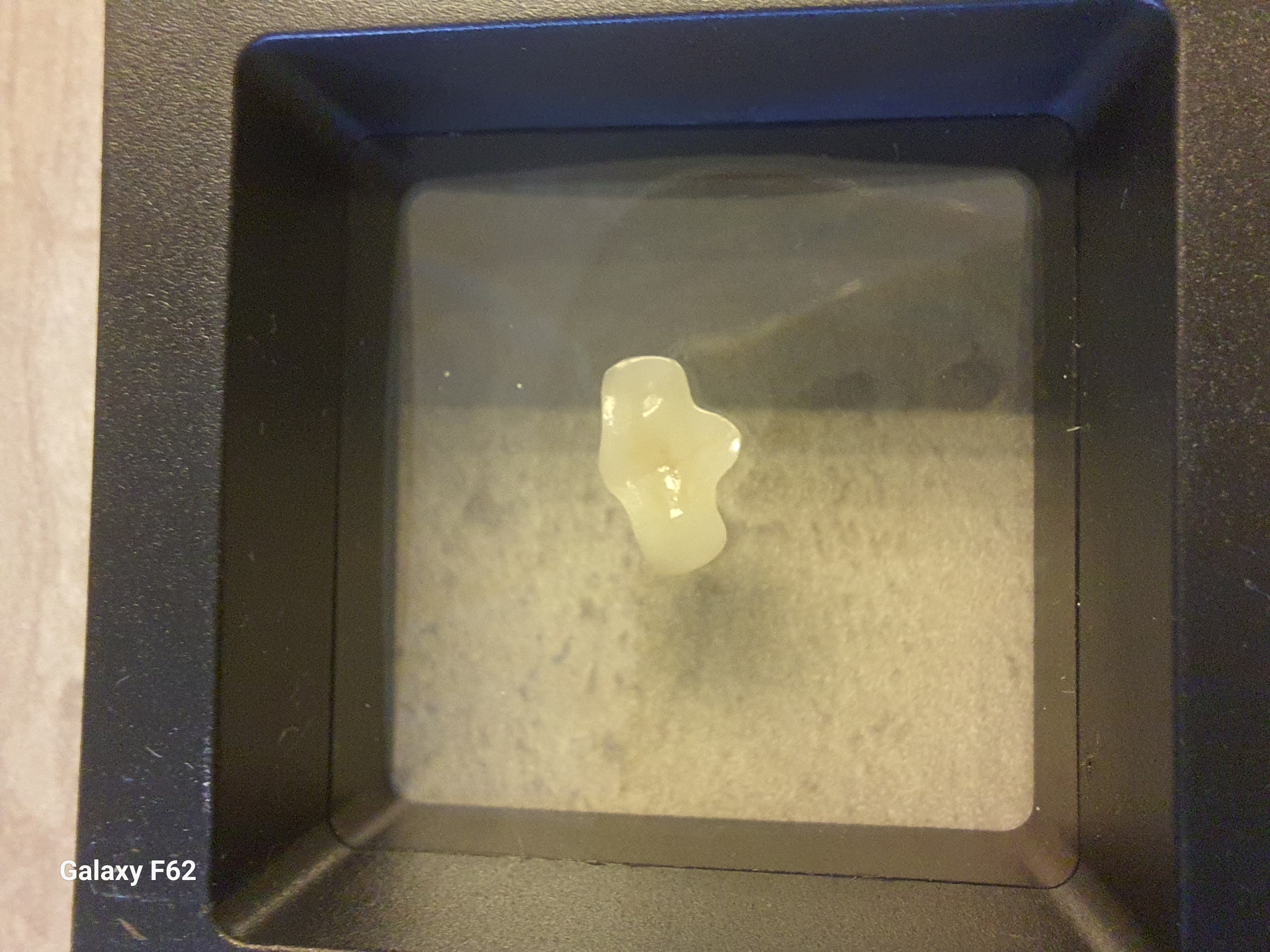
Here’s a detailed description of the features and benefits of an inlay made from IPS e.max (lithium-disilicate glass-ceramic) as might be offered by a high-quality dental lab like Dentcare Dental Lab Pvt. Ltd. — tailored for patient-education and providing clarity for the dentist as well. ✅ Key Features These are material- and laboratory-driven properties of e.max inlays: Metal-free all-ceramic construction: e.max is a lithium-disilicate glass-ceramic system, so there is no underlying metal substructure. High flexural strength: Many sources report flexural strength values up to ~400-500 MPa, giving e.max good load-bearing capacity. Excellent esthetics: The material offers multiple translucency levels and good optical properties (opalescence, light-diffusion) to mimic natural tooth enamel. Versatility: It is indicated not just for crowns, but also for inlays/onlays/partial-coverage restorations in posterior regions. Precision fit: Because lab fabrication allows controlled manufacturing (pressing or CAD/CAM) and tight margin control, the inlay can be fabricated to exacting specifications. Biocompatibility & low thermal conductivity: Being ceramic, it’s well tolerated and doesn’t conduct heat/cold like metal often does. 🎯 Key Benefits for the Patient Here are how those features translate into real advantages for the patient: Natural look: With the metal-free ceramic and excellent esthetics, the restoration blends with the surrounding tooth structure. So for patients who care about the appearance of their back teeth (and sometimes front teeth), this is a benefit. Preservation of tooth structure: Because inlays (versus full crowns) allow more of the natural tooth to remain (when the remaining tooth structure is sound), patients keep more of their own tooth. This supports long-term tooth health. Durability & function: The high strength and precision fit mean the restoration can withstand chewing forces well (when properly placed), giving the patient a reliable chewing surface. Reduced risk of visible metal margins: Since there’s no metal, there’s no risk of dark lines at the gum margin or metal showing through, which can be aesthetically unpleasing. Better for future maintenance/less invasive retreatment: Having more natural tooth structure remaining makes any future retreatment (if needed) easier or less destructive than if a full crown had been placed initially. Comfort in use: A well-fitted inlay feels closer to a natural tooth (in terms of contour, occlusion, and interaction with the tongue/adjacent teeth) and may offer better comfort compared to a bulky full‐coverage restoration. 📝 In the Context of Dentcare Lab While I didn’t locate a publicly accessible, detailed specification sheet specific only to Dentcare Lab’s version of the e.max inlay, the general material benefits above apply. When working with Dentcare Lab (or any reputable lab), you can expect: They will use high-quality e.max lithium-disilicate ceramic and follow manufacturer guidelines for minimal thickness, margin design, etc. They will aim for accurate impressions/scans, good lab communication (shade, die shade, prep design) to maximize the match and fit. They will deliver a restoration that takes advantage of the above features, so that your patient gets the benefit of “lab-grade, high-performance ceramic inlay” rather than a basic filling. 🔍 Important Considerations / Things to Communicate to the Patient Preparation and bonding technique are crucial: The success of an e.max inlay relies on good tooth preparation (adequate clearance, rounded line angles, sufficient thickness) and proper adhesive cementation. If these steps are sub-optimal, the advantages can be compromised. Case selection matters: For example, if a tooth is subject to extremely heavy occlusal forces (bruxism), or if the remaining tooth structure is very weak, then even a high-end inlay might not be ideal and a full crown might be considered. Cost vs benefit: Because this is a premium ceramic solution fabricated in a lab, cost will be higher than a simple direct filling. The patient should understand that they are investing in a high‐quality restoration. Maintenance and occlusion: The patient should understand that occlusal forces, habits (like grinding), and hygiene still matter for the long-term success of the restoration. Turnaround time: Lab manufacture means the patient may have to wait for the inlay to be fabricated (if not same-day), but the payoff is the better fit/quality.